Table of Contents
- Table of Contents
- Why Healthcare Matters in Retirement Planning
- The Rising Cost of Healthcare
- Common Healthcare Expenses Retirees Face
- How Healthcare Costs Affect Retirement Savings
- The Risks of Underestimating Medical Expenses
- Building Healthcare into Your Retirement Plan
- The Role of SIPs and Long-Term Investing
- Strategies for Retirement Readiness
- Common Mistakes to Avoid
- Frequently Asked Questions
- Conclusion
- Plan for a Healthier Financial Future with KRM Investments
Key Takeaways
- Build wealth through disciplined long-term investing.
- Diversification helps manage risk.
- SIP Investment encourages investing consistency.
- Financial Planning should align investments with life goals.
- Periodic portfolio reviews are essential.
Healthcare Costs and Retirement Readiness
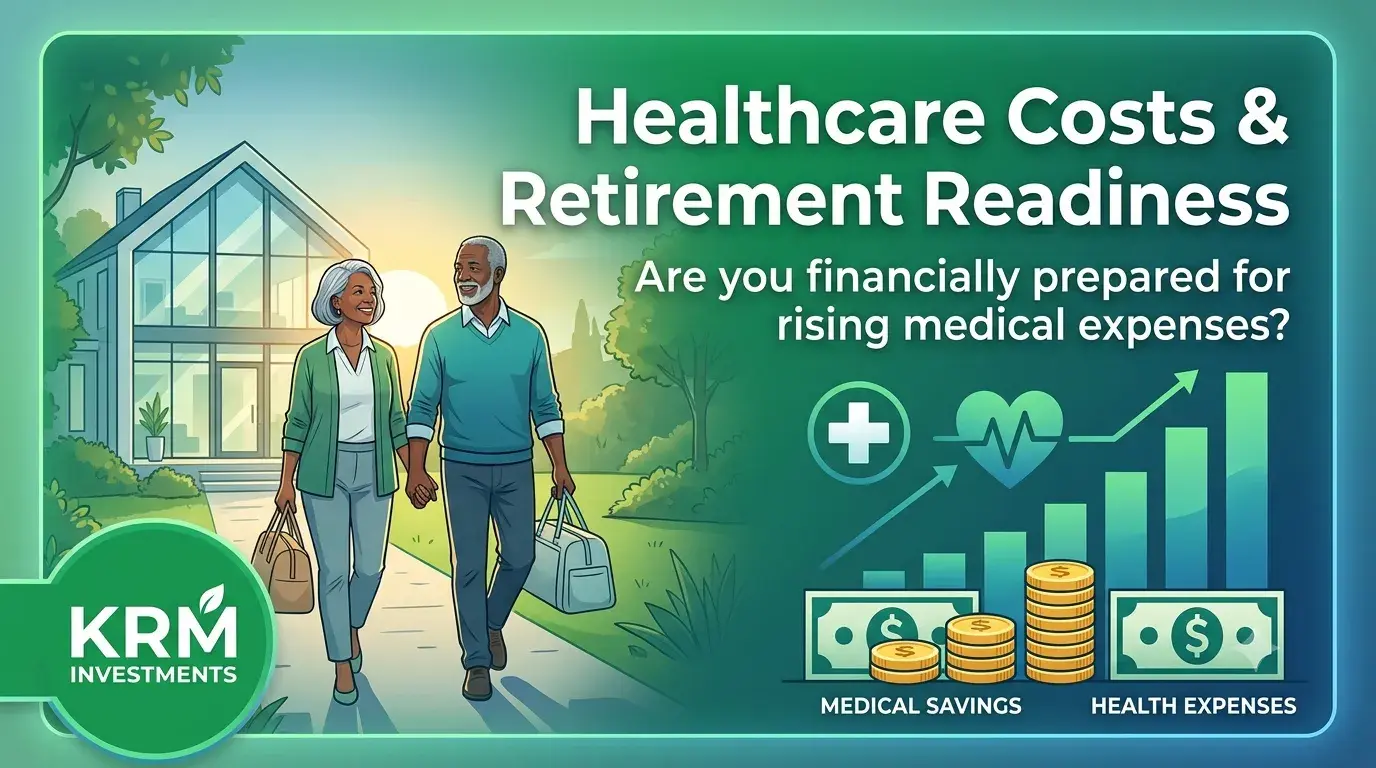
Retirement planning often focuses on creating enough income to replace employment earnings, maintain lifestyle goals, and achieve financial independence. However, one of the most overlooked aspects of retirement readiness is healthcare. As life expectancy increases and medical costs continue to rise, healthcare expenses have become one of the largest financial risks facing retirees.
Many individuals underestimate how much they may spend on medical care during retirement. While daily living expenses can sometimes decrease after retirement, healthcare costs often move in the opposite direction. From routine medical checkups and medications to hospitalization and long-term care, healthcare spending can significantly impact retirement savings.
At KRM Investments, we believe that effective retirement planning must account for future healthcare needs. A comprehensive financial plan should prepare investors not only for income replacement but also for the realities of rising medical expenses over a retirement period that may last decades.
Table of Contents
- Why Healthcare Matters in Retirement Planning
- The Rising Cost of Healthcare
- Common Healthcare Expenses Retirees Face
- How Healthcare Costs Affect Retirement Savings
- The Risks of Underestimating Medical Expenses
- Building Healthcare into Your Retirement Plan
- The Role of SIPs and Long-Term Investing
- Strategies for Retirement Readiness
- Common Mistakes to Avoid
- FAQ Section
- Conclusion
- Call To Action
Why Healthcare Matters in Retirement Planning
Retirement can span 20 to 30 years or more. During this period, healthcare needs typically increase as individuals age. Chronic conditions, specialist consultations, medications, diagnostics, surgeries, and preventive care can all contribute to rising expenses.
Unlike many discretionary expenses, healthcare spending is often unavoidable. This makes healthcare planning an essential component of long-term financial security.
The Retirement Reality
- Life expectancy is increasing.
- Medical inflation often exceeds general inflation.
- Healthcare needs generally rise with age.
- Unexpected medical events can occur at any time.
- Long retirement periods increase cumulative healthcare costs.
The Rising Cost of Healthcare
Healthcare inflation has consistently remained a concern for retirees and financial planners. Advances in medical technology improve treatment outcomes, but they can also increase treatment costs.
As healthcare expenses rise over time, the purchasing power of retirement savings may decline if medical costs are not adequately planned for.
Factors Driving Healthcare Costs
- Increasing life expectancy.
- Advanced medical technologies.
- Higher hospitalization expenses.
- Growing demand for specialized care.
- Long-term management of chronic conditions.
Retirement planning is not only about living longer; it is about funding a longer and healthier life.
Common Healthcare Expenses Retirees Face
Many retirees anticipate occasional doctor visits but overlook the full range of healthcare expenses that may arise during retirement.
Routine Medical Care
Regular checkups, diagnostics, screenings, and preventive healthcare services are ongoing expenses.
Prescription Medications
Long-term medication requirements often increase with age and can become a significant recurring expense.
Hospitalization
Unexpected surgeries, treatments, and emergency medical situations can place substantial pressure on retirement finances.
Specialist Consultations
Specialized healthcare services may become necessary as medical needs become more complex.
Long-Term Care
Some individuals may require extended care support, rehabilitation services, or assisted living arrangements during retirement.
How Healthcare Costs Affect Retirement Savings
Healthcare expenses can significantly alter retirement projections. Investors who fail to account for future medical costs may find their retirement income insufficient to meet actual needs.
Even moderate annual healthcare spending can compound into substantial lifetime expenses over a long retirement horizon.
Potential Financial Consequences
- Reduced retirement income sustainability.
- Accelerated depletion of retirement savings.
- Increased dependence on family support.
- Compromised lifestyle goals.
- Higher financial stress during retirement.
The Risks of Underestimating Medical Expenses
One of the biggest retirement planning mistakes is assuming that healthcare expenses will remain manageable without dedicated preparation.
Unexpected medical events can quickly disrupt retirement plans if adequate financial resources are not available.
Common Assumptions That Create Risk
- Believing current health guarantees lower future costs.
- Ignoring medical inflation.
- Failing to maintain adequate health coverage.
- Relying entirely on retirement income streams.
- Not creating a healthcare contingency fund.
Building Healthcare into Your Retirement Plan
Healthcare planning should be integrated into a broader retirement strategy rather than treated as a separate concern.
Estimate Future Healthcare Costs
Projecting future healthcare expenses helps create more realistic retirement goals.
Review Insurance Coverage
Appropriate health insurance can reduce financial exposure to major medical events.
Create Dedicated Savings Buffers
Healthcare reserves can provide flexibility during unexpected medical situations.
Plan for Medical Inflation
Retirement projections should consider healthcare costs growing faster than general inflation.
The Role of SIPs and Long-Term Investing
Systematic Investment Plans (SIPs) provide a practical approach for building retirement wealth over time. Consistent investing allows investors to benefit from compounding and long-term market participation.
Healthcare-related retirement goals can be incorporated into broader investment planning through disciplined savings and goal-based investing.
Benefits of Long-Term Investing for Retirement
- Compounding growth potential.
- Disciplined wealth accumulation.
- Better preparation for inflation.
- Goal-focused investing approach.
- Enhanced retirement readiness.
Strategies for Retirement Readiness
Time is one of the most valuable assets in retirement planning. Early planning allows greater flexibility and compounding benefits.
Periodic increases in investment contributions can help offset future healthcare costs.
Diversified portfolios can improve risk management and support long-term growth objectives.
Retirement plans should evolve as income, expenses, family situations, and healthcare needs change.
Professional guidance can help integrate healthcare planning into a comprehensive retirement strategy.
Common Mistakes to Avoid
- Ignoring healthcare inflation.
- Underestimating longevity risk.
- Delaying retirement planning.
- Relying on a single income source.
- Neglecting insurance planning.
- Failing to review retirement strategies periodically.
- Overlooking emergency healthcare funding needs.
Frequently Asked Questions
1. Why are healthcare costs important in retirement planning?
Healthcare expenses often increase with age and can significantly affect retirement savings.
2. What is healthcare inflation?
Healthcare inflation refers to the rising cost of medical services, treatments, and healthcare products over time.
3. How can investors prepare for healthcare expenses?
Through comprehensive retirement planning, insurance coverage, dedicated savings, and long-term investing.
4. Why should retirement planning start early?
Early planning allows more time for investments to grow through compounding.
5. How do SIPs support retirement goals?
SIPs encourage disciplined investing and help build retirement wealth consistently.
6. What role does diversification play?
Diversification helps manage investment risk while supporting long-term growth objectives.
7. Should retirement plans be reviewed regularly?
Yes. Periodic reviews ensure plans remain aligned with changing financial and healthcare needs.
8. Can a financial advisor help with retirement readiness?
Yes. Advisors can create comprehensive plans that incorporate healthcare, income, investments, and long-term goals.
Conclusion
Healthcare costs represent one of the most significant challenges retirees may face. Ignoring these expenses can place long-term financial security at risk, while proactive planning can strengthen retirement readiness and provide greater confidence.
By integrating healthcare considerations into retirement planning, maintaining disciplined investments, and preparing for medical inflation, investors can build a more resilient financial future.
Plan for a Healthier Financial Future with KRM Investments
Since 1997, KRM Investments has helped individuals and families prepare for retirement through financial planning, mutual funds, SIP planning, retirement solutions, wealth management, tax-saving investments, and goal-based investing.
If you want to create a retirement strategy that accounts for both lifestyle goals and future healthcare needs, connect with KRM Investments today and take a confident step toward long-term financial security.
Important Note
Every investor has different financial goals, investment horizons and risk tolerance. Investment decisions should always be aligned with your overall Financial Planning strategy.
💡 Pro Tip
Investing consistently through SIPs and reviewing your portfolio annually generally produces better long-term outcomes than trying to time the market.